Fiberglass doors offer exceptional durability and energy efficiency, but many homeowners wonder, “Can you paint a fiberglass door?” The good news is that you absolutely can paint a fiberglass door, and with the right approach, you’ll achieve professional-looking results that last for years.
This comprehensive guide covers everything you need to know about painting fiberglass doors, from preparation techniques to the best paint types. You’ll discover:
- Why fiberglass doors are excellent candidates for painting
- The best paint types and tools for the job
- Step-by-step application techniques
- Maintenance tips to keep your door looking fresh
🔎 Understanding Fiberglass Door Construction
Fiberglass doors are made from glass fibers embedded in resin, giving them unique properties ideal for exterior use. Unlike wood, fiberglass won’t warp, crack, or rot when exposed to moisture or temperature changes. The surface often features a wood grain texture or a smooth finish, both of which are excellent for painting when properly prepared. Most fiberglass doors come with a factory-applied gelcoat finish that offers initial protection but can be painted over with the right techniques, making them a versatile and durable option for homeowners.
Choosing the Right Paint for Fiberglass Doors
- Acrylic latex paint is the best choice for fiberglass doors due to its excellent adhesion, flexibility, and weather resistance. It’s also easy to apply and clean.
- Use high-quality exterior acrylic latex paint with additives that allow it to expand and contract with temperature changes, preventing cracking and peeling.
- For heavy traffic or harsh weather, opt for specialized fiberglass paints with extra binding agents for a stronger bond.
- Avoid oil-based paints, as they can become brittle and may not adhere well. Choose semi-gloss or satin finishesfor durability and to hide minor imperfections.
Essential Tools and Materials
- Surface Preparation: Use 220-grit sandpaper, tack cloths, and a high-quality degreaser or TSP cleaner to prepare surfaces properly.
- Brushes & Rollers: Opt for high-quality tools like a 2-inch angled brush for details, a small foam roller for smooth finishes, and synthetic brushes for latex paints.
- Priming: Apply a bonding primer designed for fiberglass or glossy surfaces to ensure paint adhesion and prevent peeling.
- Protective Materials: Use plastic sheeting, painter’s tape, drop cloths, and tools like screwdrivers to protect and prepare the surrounding areas while painting.
💡 8 Essential Tips for Painting a Fiberglass Door
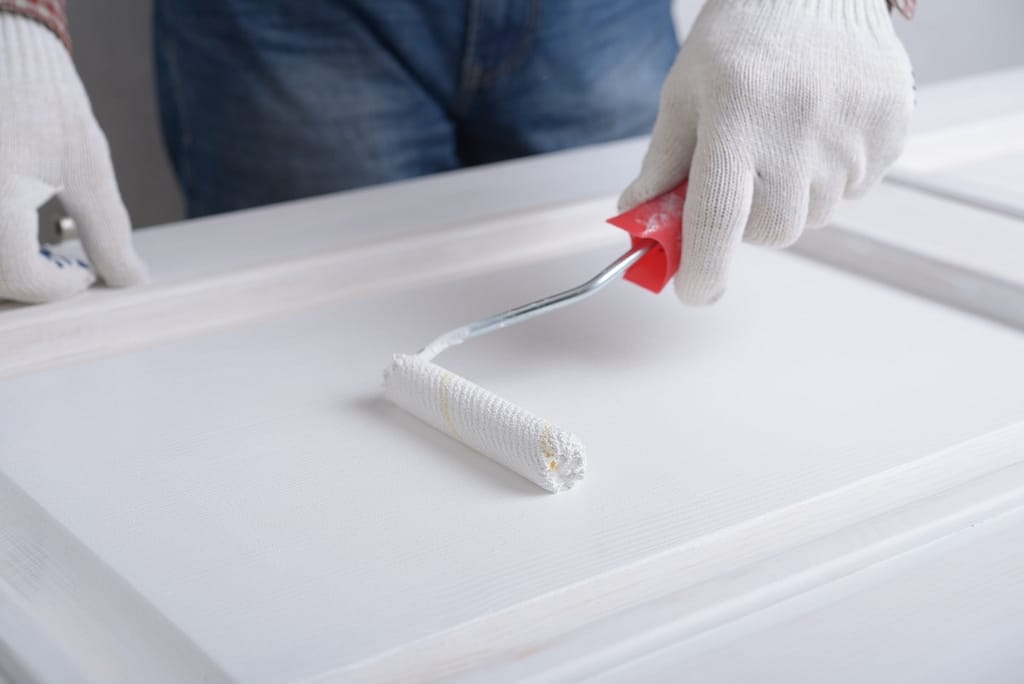
Painting a fiberglass door enhances its durability and gives it a fresh, polished look, boosting your home’s curb appeal. Proper techniques ensure the paint adheres well and lasts longer, saving you time and effort in the long run.
1. Remove the Door for Best Results
Taking the door off its hinges provides the easiest access for thorough preparation and painting. Set up a work area in a garage or covered space where you can work on the door horizontally. This position prevents drips and allows for more even paint application.
If removing the door isn’t possible, you can paint it while it’s hung. However, this requires more careful taping and protection of surrounding areas. Work during mild weather conditions to ensure proper drying.
2. Clean the Surface Thoroughly
Start with a thorough cleaning using a degreaser or TSP solution. This step removes dirt, grime, and any residue that could interfere with paint adhesion. Pay special attention to areas around the handle and lock where oils from hands accumulate.
Rinse the door completely with clean water and allow it to dry thoroughly before proceeding. Any remaining moisture can cause paint adhesion problems and lead to future peeling.
3. Sand Lightly for Better Adhesion
Light sanding with 220-grit sandpaper creates the ideal surface texture for paint adhesion. Focus on glossy areas and any imperfections, but don’t sand aggressively. The goal is to dull the surface, not remove material.
After sanding, wipe the entire door with a tack cloth to remove all dust particles. Even small amounts of dust can create an uneven finish or cause paint defects.
4. Apply a High-Quality Primer
Bonding primer is essential for painting fiberglass doors. This specialized primer creates a strong foundation for your topcoat and helps prevent future paint failure. Apply the primer in thin, even coats using a brush or roller.
Allow the primer to dry completely according to the manufacturer’s instructions. Rushing this step can compromise the entire paint job, so patience is crucial.
5. Use Proper Painting Techniques
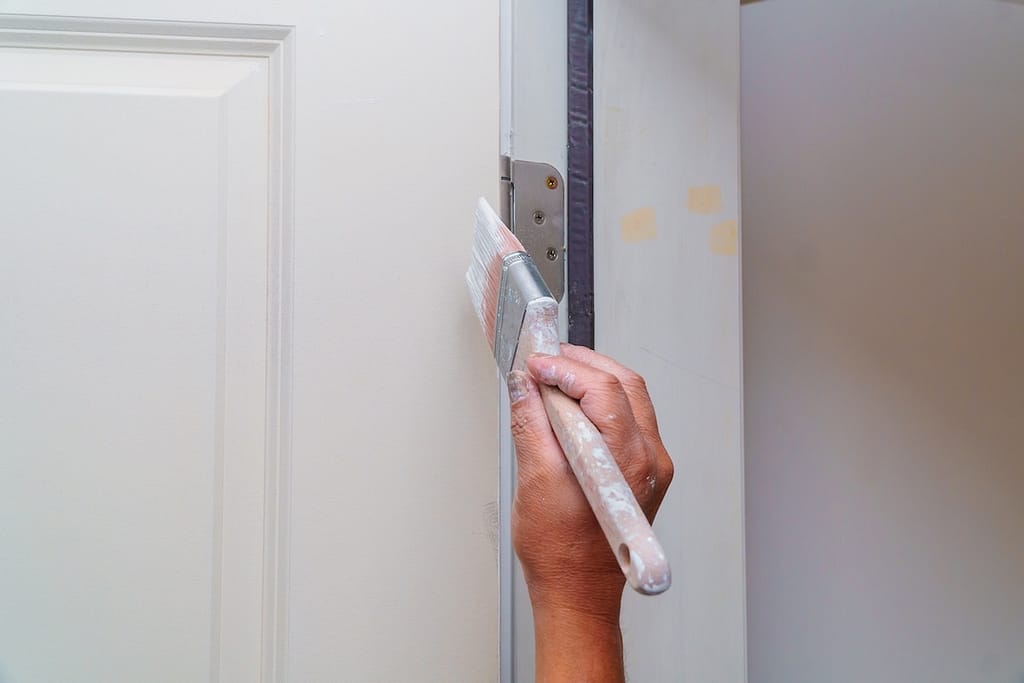
Apply paint in thin, even coats rather than trying to achieve full coverage in one application. Start with detailed areas using a brush, then use a roller for flat surfaces. Work in the direction of any wood grain texture for the most natural appearance.
Maintain a wet edge while painting to prevent lap marks. This means working quickly enough that you’re always painting into wet paint, not onto dried areas.
6. Pay Attention to Weather Conditions
Temperature and humidity significantly affect paint performance. Paint when temperatures are between 50-85°F with low humidity. Avoid painting in direct sunlight or during windy conditions that can cause rapid drying.
High humidity can slow drying times and affect paint flow, while low humidity can cause paint to dry too quickly, leading to brush marks and uneven coverage.
7. Apply Multiple Thin Coats
Two or three thin coats provide better coverage and durability than one thick coat. Allow each coat to dry completely before applying the next. This approach prevents drips, ensures even coverage, and creates a more durable finish.
Lightly sand between coats with fine-grit sandpaper if needed to remove any imperfections or brush marks. Always remove sanding dust before applying the next coat.
8. Protect Your Work
Allow the final coat to cure completely before reinstalling the door. This typically takes 24-48 hours depending on weather conditions. Avoid touching or handling the door during this time to prevent damage to the fresh paint.
Consider applying a clear protective topcoat in high-traffic areas or harsh weather conditions. This additional layer extends the life of your paint job and makes future maintenance easier.
🛠️ Maintenance and Longevity
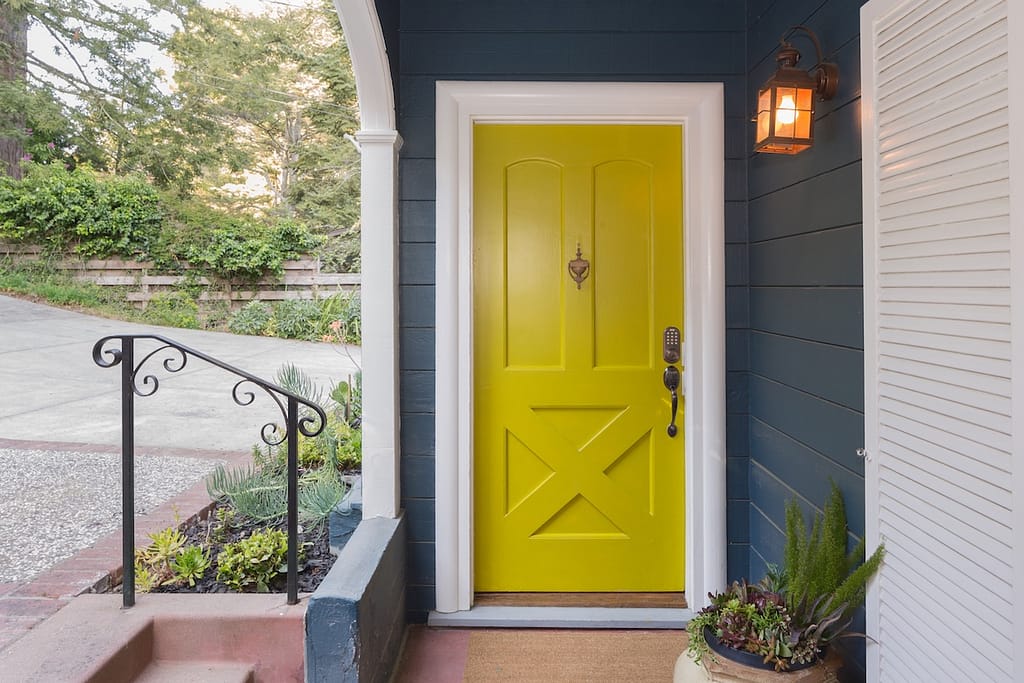
Proper maintenance ensures your equipment operates efficiently and reduces the risk of unexpected breakdowns. Focusing on longevity saves money over time by extending the lifespan of your assets.
Regular Cleaning for Longevity
Proper cleaning is essential to extend the life of your painted fiberglass door. Use mild soap and water to regularly remove dirt, dust, and pollutants that can degrade the paint finish over time. A soft cloth or sponge works best to prevent scratching the surface. Avoid using harsh chemicals or abrasive cleaners, as these can damage the paint and lead to premature wear. Regular cleaning not only keeps your door looking fresh but also prevents particles from embedding into the paint.
Annual Inspection for Signs of Wear
Inspect your door at least once a year to catch early signs of wear and tear. Pay close attention to high-touch areas like handles, locks, and edges, as these are more prone to damage. Look for chips, scratches, or discoloration in the paint. Addressing these minor issues promptly can prevent them from escalating into bigger problems, such as moisture infiltration, which may lead to peeling, bubbling, or structural damage to the door.
Prompt Repairs for Chips and Scratches
If you notice small chips or scratches during your inspection, touch them up as soon as possible. Use a matching touch-up paint to seal the damaged area. This quick fix prevents moisture from seeping into the underlying fiberglass, which could compromise the structural integrity of the door over time. Small, timely repairs are far more cost-effective than waiting until larger sections of paint need attention.
Refresh with a Topcoat Every 5-7 Years
For long-term durability and aesthetics, consider applying a fresh topcoat every 5-7 years. A maintenance coat not only enhances the appearance of your door but also provides an additional layer of protection against the elements. In most cases, the new coat can be applied directly over the existing paint with minimal preparation, saving both time and money. Depending on the exposure conditions of your door, such as direct sunlight or frequent rain, this step can significantly extend its lifespan.
Preventative Care for Long-Lasting Results
With proper maintenance, your painted fiberglass door can maintain its vibrant appearance and functionality for 8-10 years or even longer. The key to longevity is addressing minor issues early, keeping up with regular cleaning, and applying protective topcoats as needed. Consistent care prevents complete repainting or costly replacements, allowing you to enjoy a beautiful and durable door for many years to come.
🏠 Transform Your Entrance with Confidence
In conclusion, painting a fiberglass door is a cost-effective way to enhance your home’s curb appeal while extending the life of your door. However, achieving long-lasting, professional results takes patience, precision, and the right materials.
That’s where our team comes in! With years of experience and a commitment to quality, we’re the trusted experts for all your fiberglass door needs—whether it’s painting, repairs, or replacement. Ready to transform your door? Contact us today to get started!